Leadership Part 6: At the Kitchen Table
We began this leadership and change practice journey at the campfire, the place where our values were shaped for millennia. In Leadership Skills of Tomorrow, we learned that future leaders will be flexible, selfless and ready to collaborate. In Leadership and the Self, we learned to use our skills, passions and life experience. In Leadership and the Others, we learned that it’s what we do together that matters and in Leadership and Influence, we learned that everything we do matters.
We finish this series sitting at the kitchen table. This final piece is the issuing of a mighty challenge. It is not enough to learn and to think about leadership and change. We must apply that knowledge. We have one generation to transform how we live and work and interact in society. A habitable, equitable planet depends on people like us. To get there we need to engage as active citizens and do the hard work required to build regenerative local economies that look after people, planet and local place.
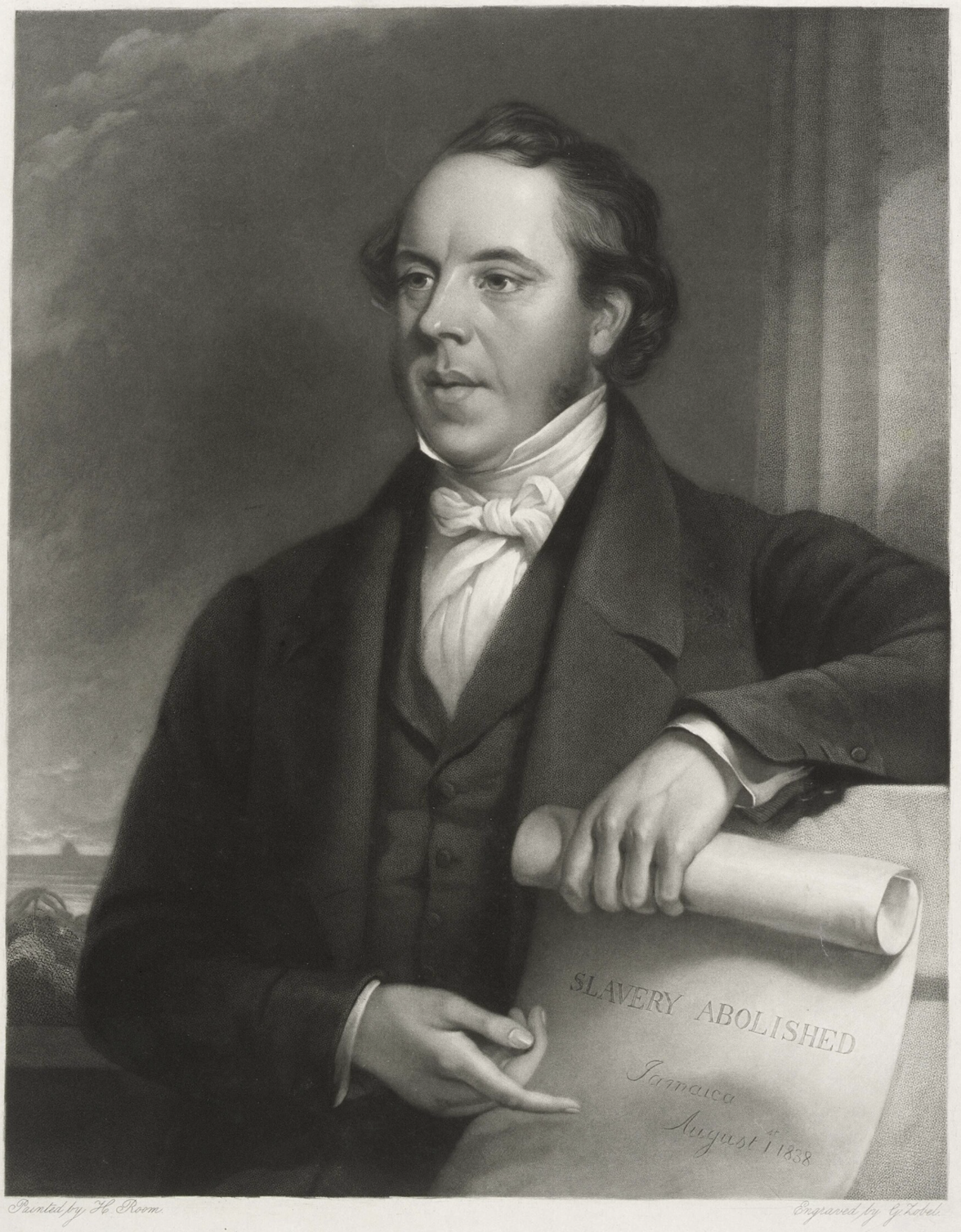
The life of Thomas Clarkson is a good example. Thomas went to Cambridge in 1785 to study Latin. At the time slavery was the basis of world trade, which was the subject of a Latin essay prize that Thomas entered: Is it lawful to make slaves of others against their will? Young Thomas won the prize. He then found himself haunted by the subject. The question that began in his mind - if what I wrote is correct, why doesn’t someone do something about it? - gradually became - if what I wrote is correct, why wont I do something about it? After his studies were completed, he rode to London to begin a career in the church. Halfway there, near Wades Hill in Hertfordshire, he dismounted and, in his own words “sat down disconsolate … if the contents of his essay were true, it was time some person saw these calamities to their end.” At that moment, Thomas Clarkson knew not one person on earth who thought as he did. He became an organiser. He spent six decades organising and lived to see slavery abolished. Paul Hawken says of the abolitionists that they were the first people in modern Western times to organise and campaign for other people who they did not know and for a cause that they would not personally benefit from.
We need to channel Thomas Clarkson and work like our civilisation depends on it. This time the prize is a brilliant: a thriving habitable, equitable earth.
We cannot and do not need to take on the burden of “changing the world”. In Paul Hawken’s 2007 book Blessed Unrest he documented size and scope of the global movement of people working to restore the earth and look after people. It is the biggest human movement that has ever existed. Check out the video and then remember as you strive for change in your local place that you are part of something big and special around the world.
We do need to step up and do the work however. It requires us relearn how to engage and to communicate and to learn shared governance. We have forgotten these skills and need to quickly relearn them. How to excite each other about possibilities in conversation. How to challenge each other’s thinking and have our thinking challenged. How to play and have fun together! How to discuss and argue about issues whilst building relationships. How to work together to design, create and manage local systems and resources.
Action in local places is crucial. I have seen many failed “leadership programs” that separate people from place and create temporary, disparate groupings of people somewhere. These people begin to build relationships and then mostly lose contact when the program ends. When leadership and change are bound together with local place, relationships are forever and projects matter to a community, rather than an individual. Yes we must think globally. But we need to act locally. And Frank Ryan of Vox Bandicoot used to add, “be personally”.
Your local neighbourhood and community needs you to bring your skills, passions and experience to the table and to be tenacious about creating change around you in your life. To find and join with others and build a movement, from the kitchen table up. As June Jordan said, “We are the people we have been waiting for.”
I have experienced how powerful this local action can be. Our community spent ten years at each other’s kitchen tables campaigning for our local park to be created. It took that long for Wolstencroft Reserve to be shaped because it was on top of an old landfill. Over the decade we built relationships, developed friendships, did a lot of hard work, courted local politicians, kept the story going inn the media, had a lot of fun, coped with a lot of setbacks and frustrations, drank a lot of wine and tea and ate a lot of cake. We had thousands of conversations. Along the way we had local councillors and council staff supported and opposed us. We did not wait for their permission. We didn’t listen to the people who said it couldn’t happen. We engaged with neighbours who were opposed. We supported each other. We started with no park and finished with an amazing park. Now the park is five years old and is a wonderful place of play and human connection. Thousands of people now play there who have no idea that a plucky group of 5 odd main leaders, 20 odd key supporters and 300 community made it happen together, in partnership with our local Council.
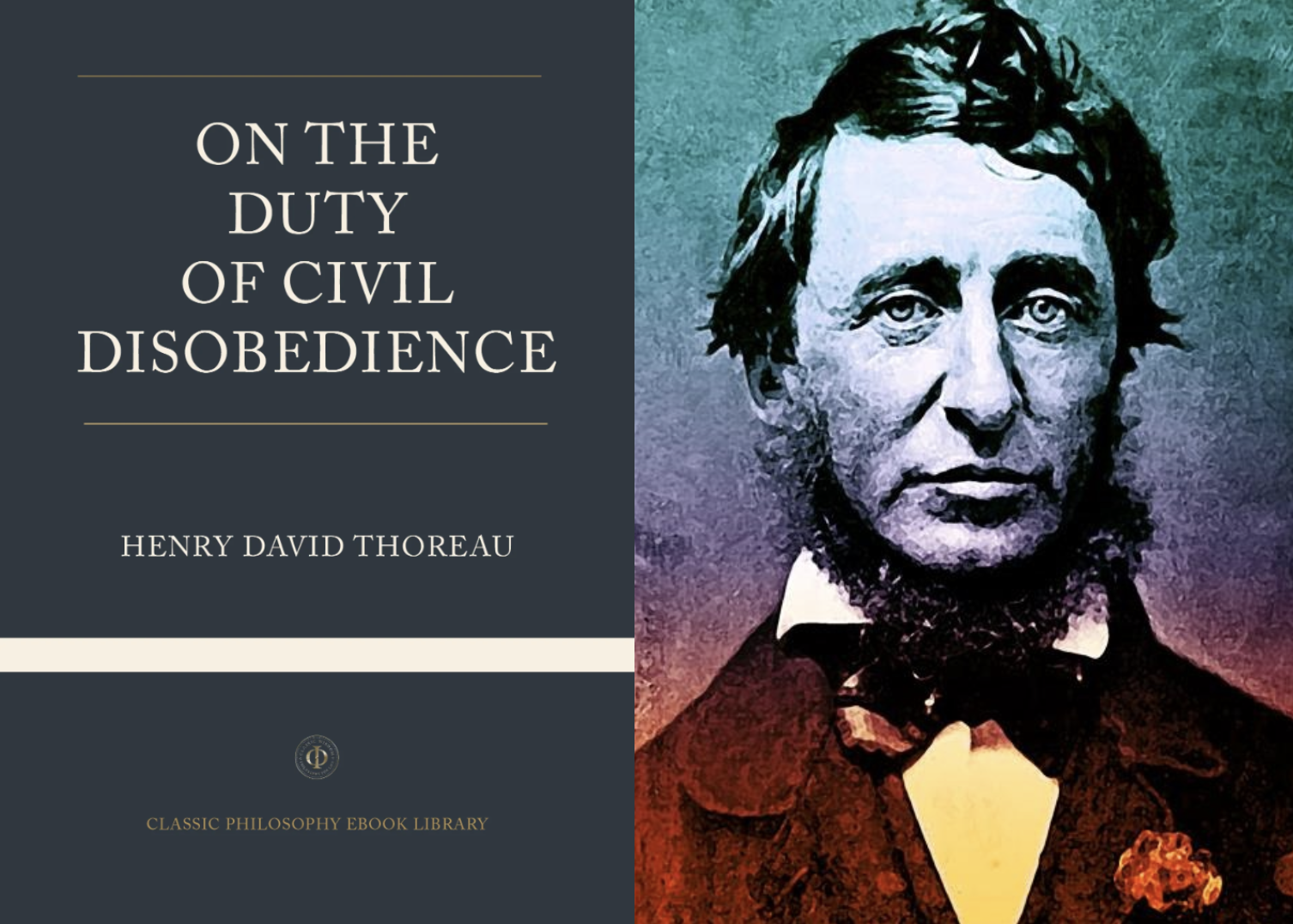
I finish leadership and change workshops by telling the story of the impact of the book “On Civil Disobedience” by Thoreau and the impact that it had on the biggest social movements of the 20th century. It influenced Gandhi, Martin Luther King Jr and Rosa Parkes. The story is told in full in an earlier blog “Did Civil Disobedience Change the World?” http://ianmcburney.com/blog/2012/11/21/did-civil-disobedience-change-the-world. But the point of the story is that while the content of the book was important, it was how the book was shared that is the real story of change. Friends gave copies to friends who read it and worked with others and changed the world. The book was swept up in social movements that, when they were happening, involved thousands of active people and millions of conversations. We look back at the Civil Rights Movement in the USA and we see leaders and heroes. But in the maelstrom of that social change there were thousands of people who all made a difference. Some handed a friend a book. Some worked in a publishing house. Some were arrested on the bus before Rosa Parkes. Some stayed up all night to print a flyer.
And that is my final point about leadership. We can all step up and offer ourselves and our skills. Just as important as the spokesperson, or the founder, or the intellectual, or the phd is the cake maker, the flyer letter boxer, the lounge room offerer, the joke teller, the guitarist, the conversationalist, the kids who create art while the meeting happens, the childminder, the storyteller and the person with a printer. If we all do what we can, where we can, when we can, we can change the world around us.
At the start, you might think you don’t have the experience. The great news is that by the end of a project, you will!
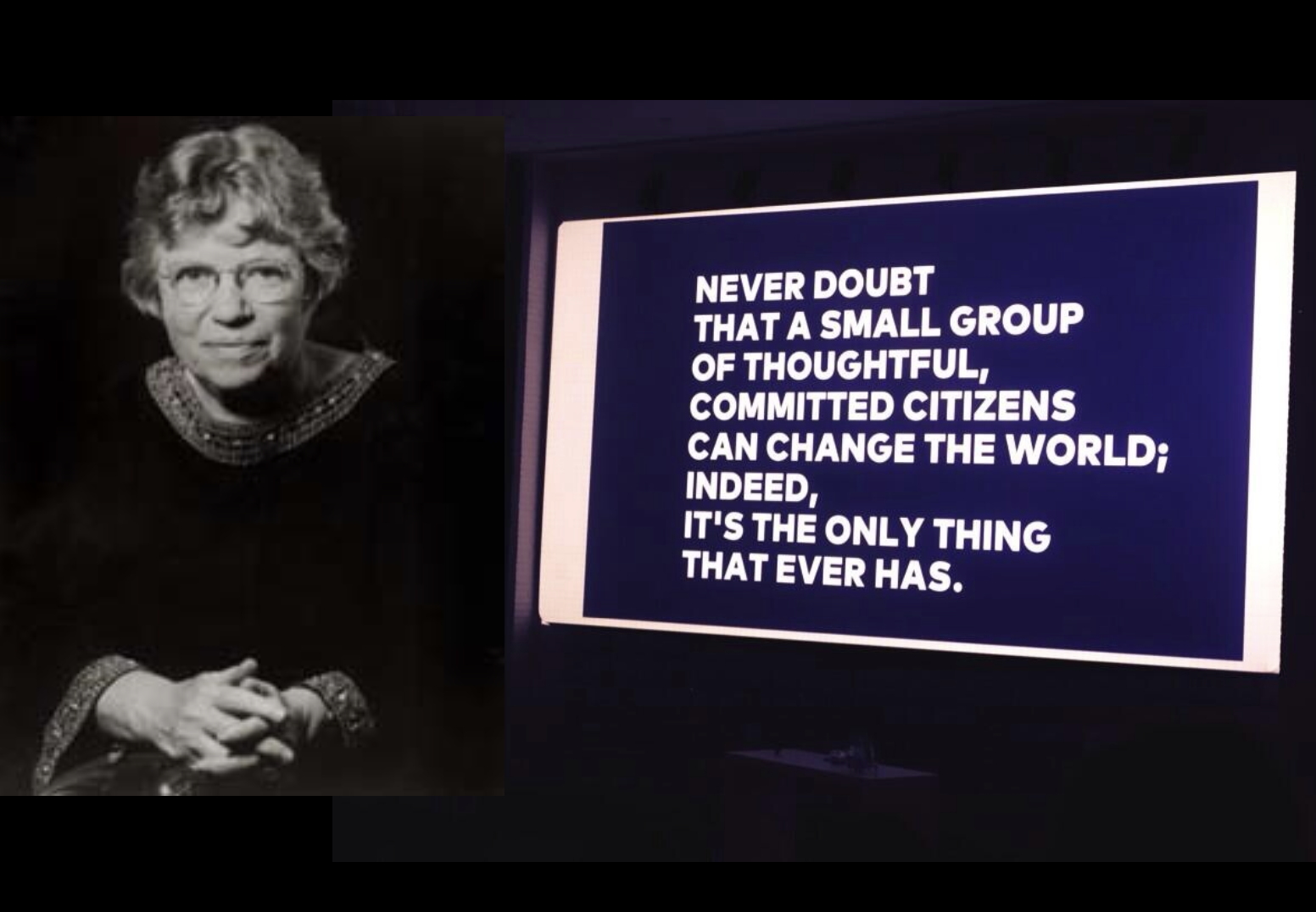
All the projects we need to deliver are already out there in your local place or elsewhere around Australia or the world. We need the toy libraries, the repair cafes, the bike fixing enterprise and the friends of the local creek. We need the climate protesters, the bike advocacy and the nature campaigners. We need the car sharing, bike sharing and stuff sharing groups. We need the energy cooperatives and the food cooperatives. We need the native seed savers, the farmers markets and sustainability groups. We need the public transport advocacy, the walking school bus and the local veggie box delivery. We need the community gardens and the sustainability people running for local Council. We need the environmental education programs for schools, business and communities. We need the nature strip planting communities and the veggie sharing over the fence communities. All of these things started with a couple of keen people having a conversation. You can join one and find the others there, or find a keen friend or two and replicate one from another town. Invite others in, one conversation at a time. Margaret Mead said that’s the only way the world has ever changed.
From the campfire at the beginning, I’m finishing this small journey at the kitchen table, where our values are shaped today. Invite some people around to sit at yours and talk about stuff that matters. What can you do to restore the earth? And what can you do to build community?
Together, you will have the skills, the curiosity, the creativity, the connections and the passion to make change happen around you. Paul Hawken suggested in his 2015 Commencement Speech that “this is the most exciting time to be alive in human history, because we get to remake everything in a generation.”
The final two thoughts of this series are from Frank Ryan of Vox Bandicoot. He used to say to communities “We can either shape the future, or we can just let it happen.” Is it time for you to get shaping? But most importantly, Frank also said “If we have fun saving the world, the world will be saved.” How can you make this a party that everyone wants to come to?
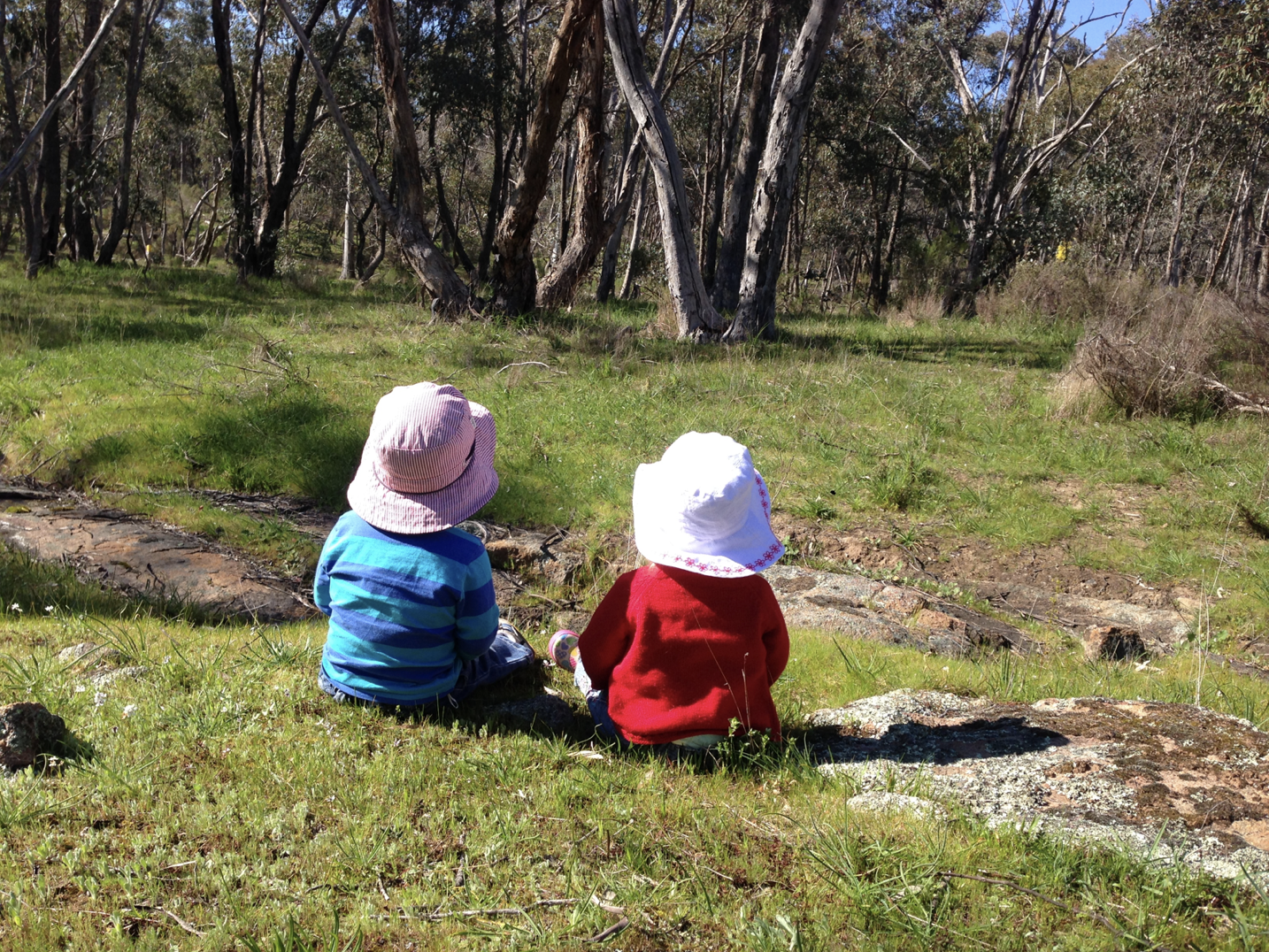
And for a final image? I think this may be very close to the meaning of life … together, in nature.